Mushrooms have long been appreciated for their unique flavors and textures, but did you know that they also play a significant role in sustainable agriculture? Mushroom farming, also known as mushroom cultivation, is a thriving industry that offers exciting opportunities for both commercial and at-home growers. In this blog post, we will explore the fascinating world of mushroom farming, discussing the benefits of mushroom cultivation, essential techniques, and the potential for a sustainable future.
Why Farm Mushrooms?
1. Nutritional and Culinary Value:
Mushrooms are not only delicious, but they also boast a range of nutritional benefits. They are low in calories, rich in fiber, and contain essential vitamins and minerals. With varieties like shiitake, oyster, and portobello, mushrooms add depth and flavor to various cuisines worldwide, making them a popular choice among food enthusiasts and chefs.
2. Environmental Impact:
Mushroom cultivation presents an environmentally friendly alternative to conventional farming practices. Unlike traditional crops, mushrooms do not require large amounts of land, water, or pesticides. They can be grown in controlled environments, such as indoor farms or greenhouses, reducing the pressure on soil and conserving water resources.
3. Recycling Organic Waste:
Mushrooms have a unique ability to break down organic matter, including agricultural waste and by-products like sawdust, straw, and compost. Through this process, called mycoremediation, mushrooms convert waste into valuable nutrients, making them a sustainable solution for recycling organic materials.
Getting Started with Mushroom Farming:
1. Mushroom Selection:
Choose the type of mushrooms you wish to grow. Popular options include shiitake, oyster, cremini, and white button mushrooms. Consider factors such as market demand, growing conditions, and personal preferences when making your selection. To guide you through mushroom selection and other factors check out our guide and get yourself a Copy here
2. Growing Medium:
Mushrooms thrive on specific substrates called the growing medium. It can consist of a variety of materials, such as straw, sawdust, wood chips, or compost. The choice of substrate depends on the mushroom type you are cultivating. Ensure the growing medium is properly sterilized or pasteurized to prevent contamination.
3. Spawn and Spawning:
Spawn refers to the mycelium, a vegetative part of the fungus that acts as the “seed” for mushroom cultivation. It can be obtained from commercial suppliers or produced in-house using sterile techniques. The spawn is then mixed with the growing medium in a process known as spawning.
4. Incubation:
After spawning, the mycelium requires a specific temperature and humidity to grow. Keep the growing area dark, clean, and at the appropriate temperature range for the chosen mushroom species. This stage typically lasts several weeks, during which the mycelium will colonize the growing medium.
5. Fruiting:
During the fruiting stage, mushrooms begin to emerge from the colonized substrate. Maintain appropriate humidity, temperature, and fresh air exchange for the mushrooms to grow successfully. Harvest the mushrooms at the right maturity stage to ensure optimal taste and quality.
The Future of Mushroom Farming:
Mushroom farming has gained attention as a sustainable farming practice due to its low environmental impact and ability to recycle waste. Furthermore, ongoing research in mycology (the study of fungi) has unveiled the potential applications of mushrooms in areas like medicine, biodegradable materials, and biofuels. As awareness grows about the benefits of fungi, the demand for mushrooms is expected to increase, creating new opportunities in the agricultural industry.
Conclusion:
Mushroom farming offers an exciting and sustainable alternative to conventional agriculture. With its environmental advantages, versatile growing methods, and nutritional benefits, mushroom cultivation is an excellent choice for both commercial growers and enthusiasts. By embracing this engaging and rewarding practice, we can contribute to a greener future while enjoying the pleasure of harvesting and savoring our own cultivated mushrooms
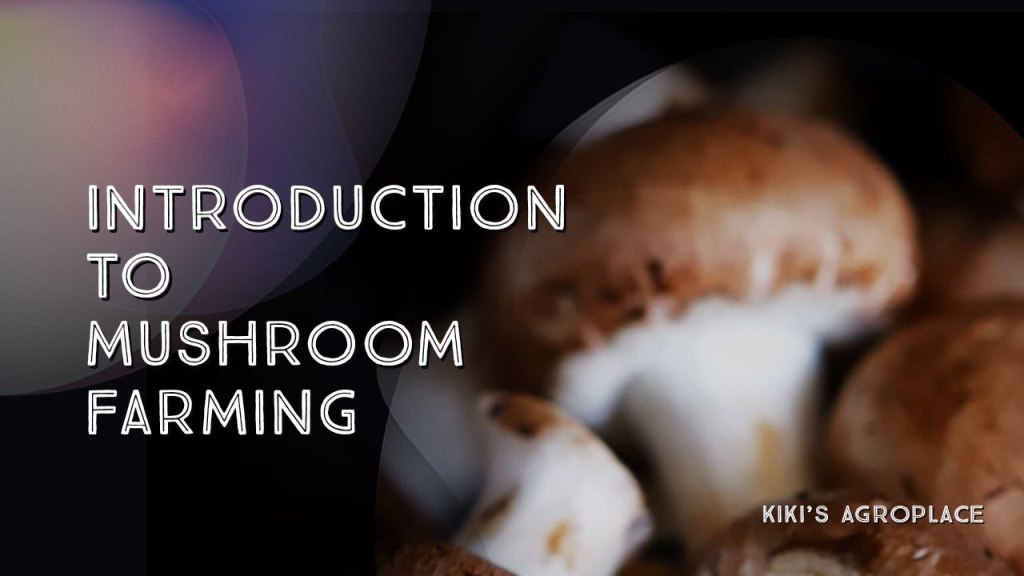
An Introduction to Mushroom Farming: Cultivating Fungi for a Sustainable Future
3–4 minutes
read

 Kiki's Agroplace
Leave a comment