
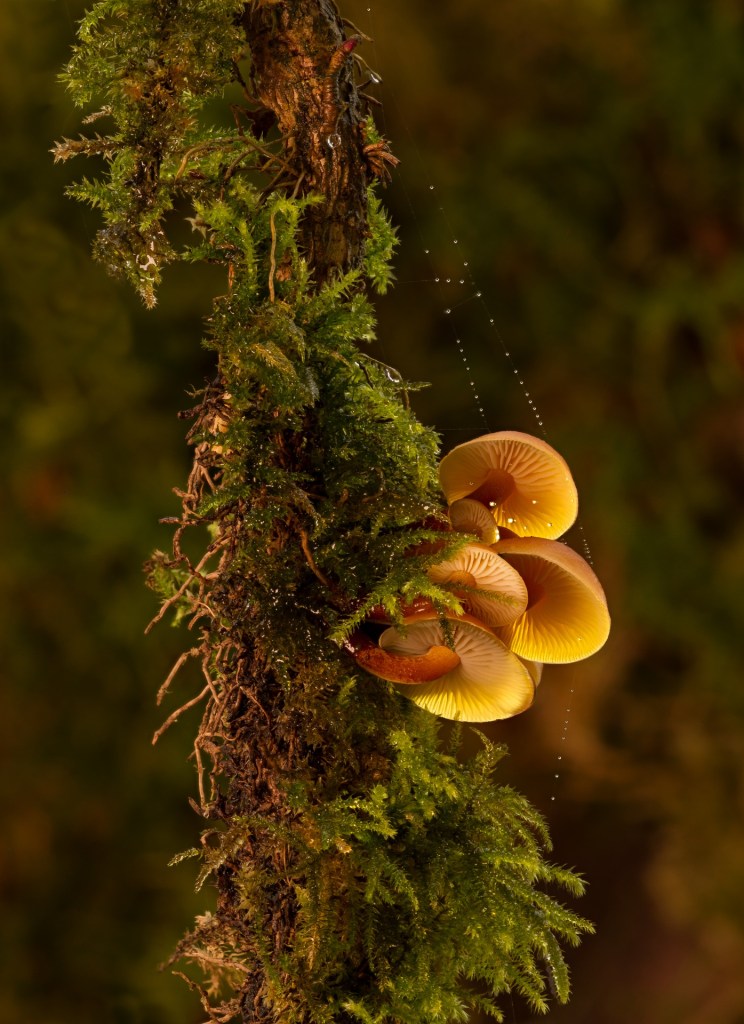
Mushrooms are a rich source of dietary fiber, and crude proteins. They are rich sources of several types of vitamins. Mushrooms are rich in Vitamin B, C and D. Mushrooms are considered to be rich in the antipellagra vitamin, niacin. They are also rich in thiamine (B1), riboflavin (B2), niacin, biotin, and ascorbic acid.
Join our 3 days free trial consultation on mushroom farming.
It is actually very easy to grow mushrooms, easier than You think. However, if you plan on growing mushrooms by yourself you may need some expertise when it comes to choosing growing substrate, preparing growing area etc.
A comprehensive summary of growing practices for mushrooms is given below to help you out, just make sure you finish reading this post, it is a bit lengthy but trust me you won’t regret you did and don’t forget to share, like, comment and by all means you can contact me for any questions. However if you need a detailed guide schedule an online free 3 days trial consultation on mushroom farming.
Get 3 days free trial consultation on mushroom farming.
Here we go:
Choosing a Substrate: Choosing a substrate depends on the type of the mushrooms to be grown. The substrate should be clean and composed of lignin and cellulose and it should be able to hold moisture. Hardwood logs; Hardwood chips and sawdust; seed hulls; leaf litters; paper; cotton wastes; rice straw; wheat straw; and other straws can be used as a substrate for growing most types of mushrooms.
Choosing a Container: Mushrooms can be grown in plastic bags, plastic tubes, and trays of various sizes. As a rule the container should be able to enclose the substrate during the spawn run and should be able to avoid excessive self-heating. It should also allow the maximum production in the space used.
Purchasing Spawns: Purchase the best quality fresh spawns (Mushroom mycelium prepared for (aided) propagation) from reputed suppliers. Always read the label on the spawn bottles before purchasing them. Weight of the spawn should be in the range of 1 to 5% of the dry weight of the substrate.
Earn 5-7% commission on selling Kiki’s Agroplace manuals, at no cost.
Facilities Required for Mushroom Production: Most important facilities required for mushroom production are:
- Substrate preparation area.
- Compost mixer.
- Pasteurization area and inoculation area (spawning facility).
- Mushroom growing area.
Substrate Preparation Area: Substrate preparation area should be located away from the mushroom growing area. It is better this area has a concrete floor so that substrate can be chopped and mixed properly.
Compost mixers: Now the chopped substrate must be composted using compost mixer before it is ready to be used for mushroom growing. The composting process requires that the substrate is kept wet for several weeks.
Pasteurization Area: This area is meant for pasteurization process of composted substrate. It is said that anyone can grow mushrooms if properly prepared substrate is used.
Mushroom Growing Area: The most important facility required for mushroom growing is a window-less, airtight building. It can be a metal building covered by polyethylene or a concrete building or a bamboo house insulated with straw and polyethylene sheet. A mushroom growing area should have following requirements:
Optimum Temperature: A temperature of 15 to 20°C (59 to 68°F) and relative humidity of 80 to 95%.
Good ventilation and Light: Mushrooms are formed when carbon di oxide level is low and hence proper ventilation is required to remove carbon dioxide formed inside the building. Centrifugal blowers may be used to supply air circulation. For light requirements, fluorescent lights are generally used.
Proper Hygiene and Sanitation: Air inlets and exits should have a filter to let only filtered air circulated within the building. This is particularly helpful to keep pests and diseases causing pathogens away.
Shelves, made from bamboo or wood: These shelves should be strong enough to hold substrate bags.

Major health benefits of mushrooms may be summarized as follows:
- Mushrooms are rich sources of easily digestible crude fiber and hence it is good for diabetic patients.
- Often grouped with vegetables, mushrooms are rich in nutrients that are commonly found in meat and eggs.
- Mushroom is the only plant food that contain Vitamin D.
- Low in calories, starch free, very less fat content, and cholesterol free.
- A good source of B vitamins, including riboflavin, niacin, and Pantothenic acid; Pantothenic acid improves the production of hormones while riboflavin maintains healthy RBCs (red blood cells); niacin promotes healthy skin.
- Among the richest sources of Selenium, an antioxidant that acts as anti-aging and anticancerogenic mineral; it also improves the immune system and boosts fertility in men.
- Rich in Ergothioneine, a naturally occurring antioxidant that helps protect the body’s cells.
- Rich in Copper that helps make RBCs; it also keeps bones and nerves healthy.
- Rich in Beta-glucans which has immunity stimulating effects; it also helps resist some types of allergies.

Don’t forget to like, comment and share this post if you found it helpful. Thank you.


 Kiki's Agroplace
Leave a reply to Tomilola Jayeoba Cancel reply