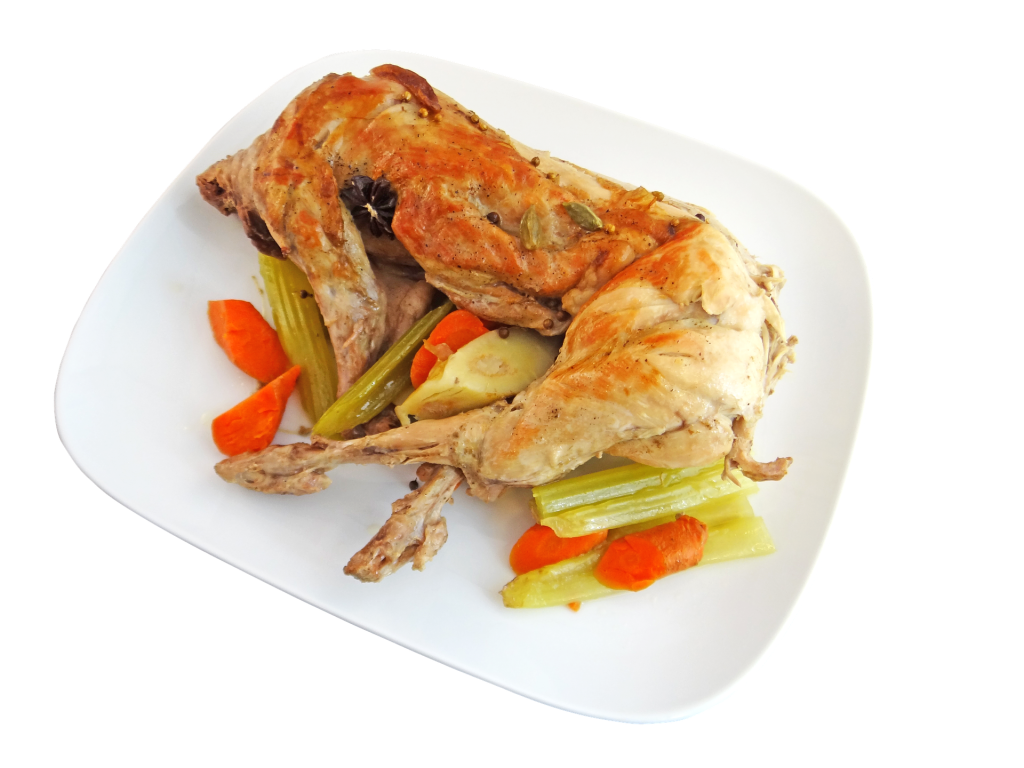
A lot of rabbit farmers focus entirely on selling breeding stock and never build a real meat sales business, even though demand for rabbit meat regularly outpaces supply in Nigeria’s market. Farmers in multiple regions report turning down restaurant orders simply because they can’t meet demand. If you’re only selling live rabbits to other farmers, selling rabbit meat directly is the opportunity you’re leaving on the table.
New to rabbit farming? See our complete beginner’s guide to breeds, costs, and setup first.
Why rabbit meat sells
Rabbit meat is lean, high in protein, and low in fat and cholesterol compared to many other meats, and awareness of these health benefits is a real driver of growing demand across African markets. Combine that with a fast breeding cycle, gestation runs about 28 to 33 days, with litters of 8 to 18 kittens, and you have a steady, renewable supply to sell into a market that consistently wants more than farmers can currently provide.
Fresh vs. processed: what buyers actually want
Here’s a detail that changes how you should sell: in several Nigerian markets, buyers specifically prefer oven-dried, spiced rabbit meat over fresh cuts, mainly because they don’t want any involvement in killing or processing the animal themselves. Processed rabbit meat has also been reported to sell at a premium over fresh cuts in some markets for exactly this reason.
The practical takeaway: don’t just sell live rabbits and assume that’s the whole business. Slaughtering and processing on your own farm, then selling ready-to-cook or ready-to-eat meat, meets buyers where their actual preference is, and captures more value from the same animal in the process.
Who buys rabbit meat
- Hotels and restaurants. A consistent, reliable bulk buyer once you’ve built the relationship, and one of the channels most likely to keep buying regularly.
- Direct household sales. Families and friends, built through word of mouth and consistent quality.
- Supermarkets and butcheries. A growing channel as awareness of rabbit meat’s health benefits spreads.
- Local processors and offtakers. Some companies actively buy rabbit meat from farmers at a set price per kilogram, removing the need to find individual buyers yourself, though this usually means a lower price than direct retail sales.
Don’t rely on a single channel. Farmers who sell only to other breeders miss the meat market entirely, and farmers who sell only fresh, live rabbits miss buyers who specifically want processed product.
Pricing your rabbit meat
Rabbit meat prices in Nigeria have risen substantially over the past few years. Recent market data puts retail prices in Lagos and Abuja at roughly ₦4,000 to ₦5,800 per kilogram, considerably higher than the ₦1,800 to ₦2,200 per kilogram range commonly cited just a few years earlier. Prices vary by region, whether the meat is fresh or processed, and who you’re selling to, so check current prices in your specific market rather than relying on a single national figure.
Extra revenue: don’t overlook the byproducts
Rabbit skins and rabbit urine both have resale value, skins for leather use and urine as an organic fertilizer and natural pest repellent. These are genuine additional revenue streams from an animal you’re already raising and processing, worth building into your business rather than discarding as waste.
Common marketing mistakes
- Selling only to other breeders. A rabbit business built entirely on breeding stock sales misses the much larger and steadier meat market.
- Only offering live rabbits. Many buyers specifically want processed, ready-to-cook meat and will pay more for it, or simply won’t buy live animals at all.
- Not educating your local market. In areas where rabbit meat isn’t a traditional food choice, farmers who actively explain its health benefits and taste build demand faster than those who wait for buyers to come to them.
- Ignoring byproducts. Skins and urine are sellable, not waste, once you’re already processing the animal.
- Relying on one buyer or channel. Diversify across hotels, direct sales, and processors so a single lost relationship doesn’t stall your business.
Key takeaways
- Rabbit meat demand outpaces supply in many Nigerian markets; the bottleneck is often marketing and processing, not production.
- Many buyers prefer processed, oven-dried rabbit meat over fresh, mainly to avoid handling slaughter themselves, and will pay more for it.
- Diversify across hotels, restaurants, direct household sales, supermarkets, and processors rather than relying on one channel.
- Current retail prices run roughly ₦4,000 to ₦5,800 per kilogram in major Nigerian markets, though this varies by region and product form.
- Rabbit skins and urine are sellable byproducts, not waste, once you’re already processing the animal.
FAQ
Is there real demand for rabbit meat in Nigeria?
Yes. Multiple farmers report turning down restaurant orders because they can’t meet current demand, and awareness of rabbit meat’s health benefits, high protein, low fat, continues to grow across Nigerian and other African markets.
Should I sell rabbit meat fresh or processed?
Processed is often the better choice. Many buyers specifically prefer oven-dried, spiced rabbit meat because they don’t want to handle killing or processing themselves, and processed meat has been reported to sell at a premium over fresh in some markets.
How much does rabbit meat sell for in Nigeria?
Recent market data shows retail prices of roughly ₦4,000 to ₦5,800 per kilogram in major markets like Lagos and Abuja, though prices vary by region and whether the meat is fresh or processed. Confirm current prices in your local market before setting yours.
Who are the best buyers for rabbit meat?
Hotels and restaurants tend to offer the most consistent bulk demand once you’ve built the relationship. Direct household sales, supermarkets, and local processors are all worth pursuing alongside them, rather than relying on a single channel.
Can I make money from rabbit byproducts?
Yes. Rabbit skins have resale value for leather use, and rabbit urine is used as an organic fertilizer and natural pest repellent. Both are worth selling rather than discarding once you’re already processing rabbits for meat.


Leave a Reply