
With the continuous increase in the price of commercial feeds it would be a good idea if you formulate feed for your livestock yourself. Not only will you be able to reduce cost of production, you can also tweak the nutritional value of the feed to suit your production target.

Key points to consider when formulating feed for your livestock:
The nutritional requirements of the animals (energy, protein, calcium, phosphorus etc). This differs based on the age, specie and in some cases the sex of the animal. The feed formula you use for pigs will have adverse effects on layers if you use it for them.
The nutritional component of the ingredients to be used in formulating the feed (energy, protein, fat content etc).
The cost of the feed ingredients: Remember we trying to minimize, the cost of the feed ingredients should be taken into consideration, while doing ensure you get good quality of feed ingredients. Do not buy moldy, wet or rancid feed ingredients because it is cheap.
Method of formulating the feed: Are you planning to formulate the feed manually (floor mixing) or with the use of machines, this also depends on the quantity of feed you intend to formulate.
Anti nutritional factor: some of these components contain some compounds that could be harmful to some animals, it is therefore important to carry out proper research on each ingredient to be used.
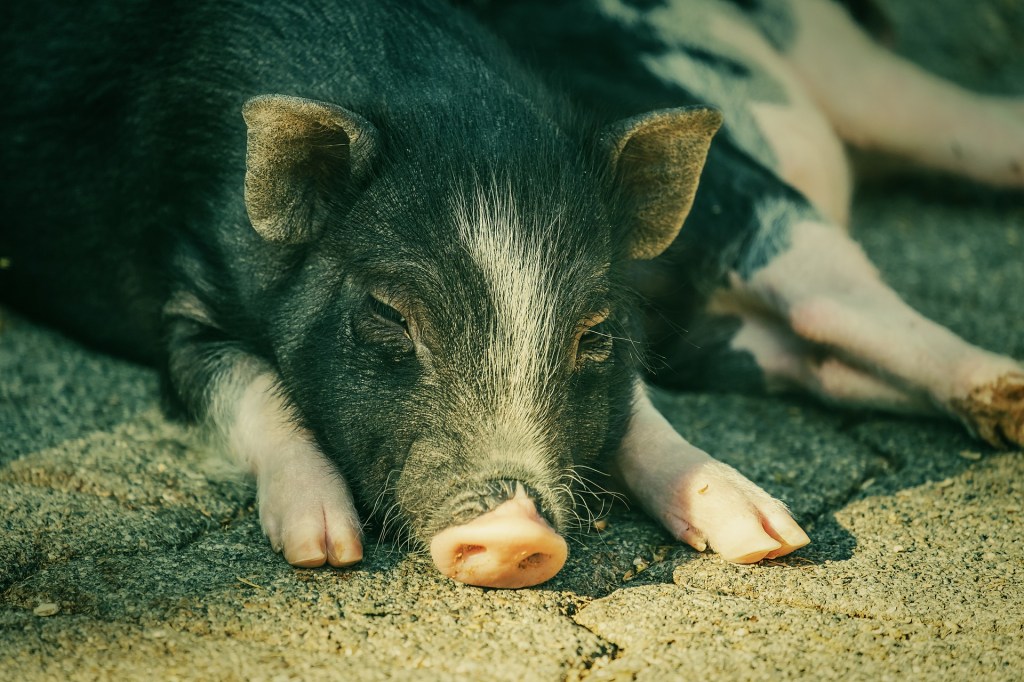
Types of feed Ingredients:
Macro feed ingredients
These are the feed ingredients that constitutes the major part of the feed they are the source of energy and protein in the feed. Examples are maize, soya bean meal, wheat offal, rice bran etc.
Micro feed ingredients
These are the components that provides the micro nutrients required in the feed. Examples are DCP (Di-calcium phosphate), methionine, lysine, salt.
Alternative feed ingredients
These are the components used instead of some macro or micro components either because of cost or to boost the nutritional requirements in the feed. Examples of these are maggots, BSF, soybean oil, snail shells, blood meal, fish meal etc.
Livestock feed is a crucial component of animal production. It provides the necessary nutrients for animals to grow and remain healthy. Making your own livestock feed can be a cost-effective way to ensure that your animals receive high-quality feed that meets their nutritional needs. Here are the steps to make your own livestock feed:
1. Determine the Nutritional Requirements of Your Animals
Different animals have different nutritional requirements. Before making your own feed, it is essential to determine the nutritional needs of your animals. You can consult a veterinarian or an animal nutritionist to get a better understanding of the nutritional needs of your animals.
2. Choose the Ingredients
Once you have determined the nutritional requirements of your animals, you can choose the ingredients for your feed. The ingredients should be of high quality and should be easily digestible by your animals. Some common ingredients used in livestock feed include grains, protein sources, minerals, and vitamins.
3. Mix the Ingredients
After choosing the ingredients, you can start mixing them. The mixing process should be done carefully to ensure that all the ingredients are evenly distributed. You can use a feed mixer or a large container to mix the ingredients. Make sure to mix the ingredients thoroughly to ensure that your animals receive a balanced diet.
4. Store the Feed
Once you have mixed the feed, you can store it in a dry and cool place. Proper storage is essential to ensure that the feed remains fresh and does not spoil. You can store the feed in airtight containers or bags to prevent moisture and pests from getting in.
5. Feed Your Animals
After making the feed, you can start feeding your animals. Make sure to provide the appropriate amount of feed to your animals based on their nutritional requirements. You can adjust the feed as needed based on the growth and health of your animals.
In conclusion, making your own livestock feed can be a cost-effective way to ensure that your animals receive high-quality feed that meets their nutritional needs. By following the steps outlined above, you can make your own feed and provide your animals with a balanced diet.
Please don’t forget to like, share, comment and follow our page


 Kiki's Agroplace
Leave a reply to Tomilola Jayeoba Cancel reply