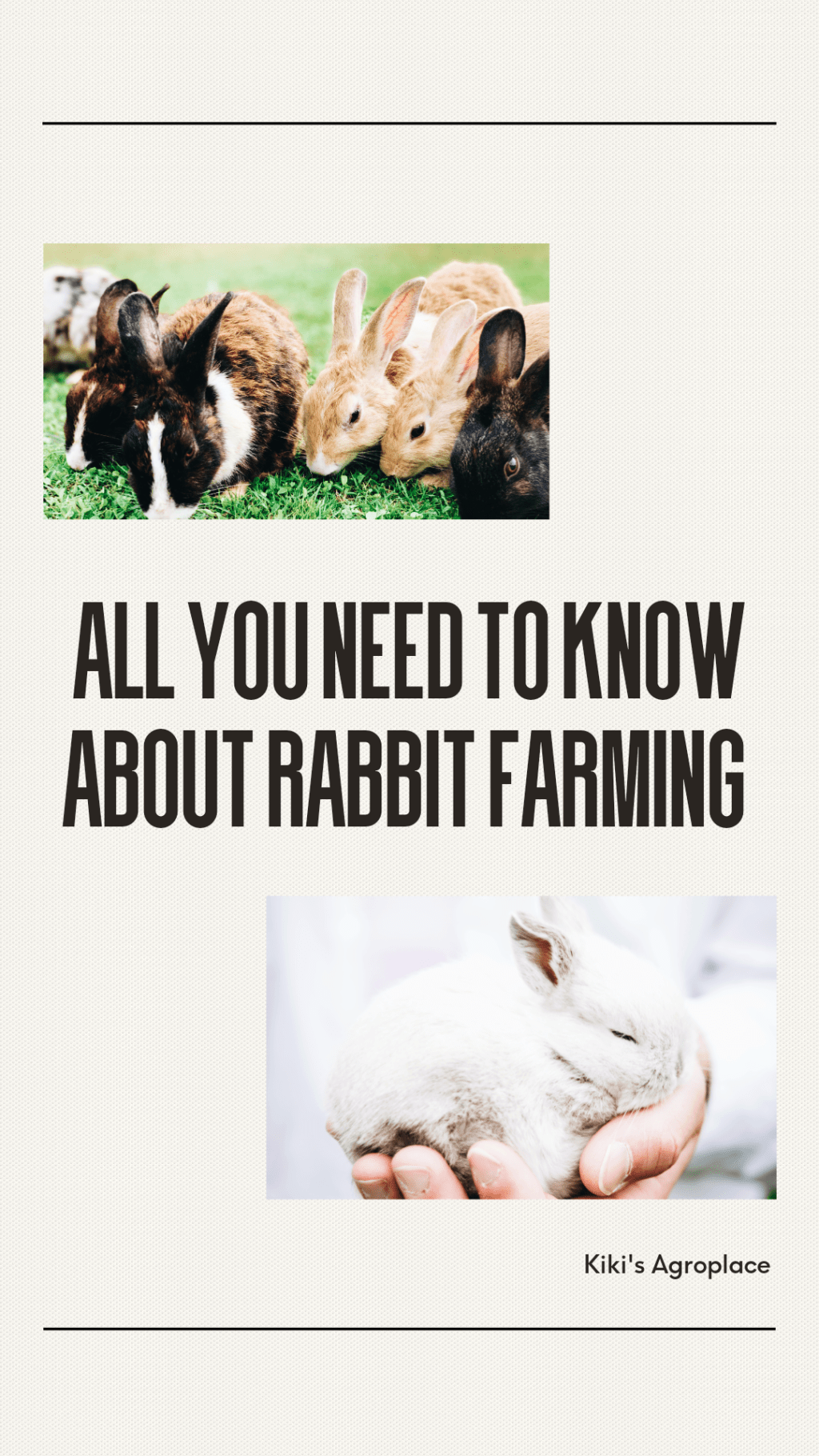
A healthy doe can produce a litter of 6 to 12 kits every 30 to 35 days, and rabbit farming needs less space and capital to start than almost any other livestock. If you’re considering rabbit farming, that combination, low barrier to entry and fast reproduction, is the core business case. Here’s how to choose a breed, budget realistically, and put the essentials in place before you buy your first rabbits.
Why rabbit farming is worth considering
Rabbit meat is lean, high in protein, and low in fat, and demand for it regularly outpaces supply in Nigerian markets. Rabbits also need far less space than cattle, pigs, or even goats, making them workable for urban and peri-urban farmers with limited land. On top of the meat itself, rabbit urine and droppings both have resale value as organic fertilizer, and skins can be sold for leather, giving you more than one revenue stream from the same animal.
Choosing your breed
| Breed | Known for | Best for |
|---|---|---|
| New Zealand White | Fast growth, large litters, calm temperament, adapts well to different environments | The most widely raised breed among Nigerian farmers; a solid first choice for beginners |
| Californian | Efficient feed conversion, good muscle-to-bone ratio | Farmers prioritizing feed efficiency, especially when crossbred with New Zealand White |
| Chinchilla | Good meat and bone structure, fairly disease-resistant when well managed | Farmers wanting consistent reproduction and solid body condition |
| Flemish Giant | Large body size | Farmers focused on maximizing meat yield per animal |
New Zealand White, Californian, and Chinchilla are consistently the three most recommended meat breeds across Nigerian and African rabbit farming guides, and for good reason: they combine fast growth, reliable reproduction, and reasonable adaptability to local climate. If you’re planning to sell breeding stock rather than meat, breeds like Dutch or English Spot attract hobbyist and pet-shop buyers, but for a meat-focused business, stick with the proven commercial breeds above.
What it costs to start
A basic rabbit farming setup in Nigeria, covering housing, initial stock, and equipment, commonly runs somewhere between ₦45,000 and ₦100,000 depending on scale and how much of your housing you can build yourself versus buy ready-made. This is considerably lower than the startup cost for pigs or cattle, which is a large part of why rabbits are a popular entry point into livestock farming.
Buy your starting stock from a reputable breeder, not just the nearest market. Ask about the parent stock’s health and productivity history, and choose rabbits that are active, alert, and free of visible illness or injury.
The essentials you need in place
- Housing. Your choice between a hutch system and a colony system affects disease control, breeding management, and product cleanliness. See our guide on rabbit housing systems for the full comparison.
- Feeding. A balanced diet using locally available forage, legumes, and grains keeps costs manageable. See our guide on rabbit feed using local ingredients for country-specific options.
- Reading behavior and health signs. Recognizing stress, illness, and breeding-readiness cues early prevents lost litters and disease spread. See our guide on reading rabbit behavior for what to watch for.
- A marketing plan before you scale. Selling only to other breeders leaves the larger meat market untapped, and many buyers actually prefer processed meat over live rabbits. See our guide on marketing and selling rabbit meat for how to build real sales channels.
Key takeaways
- A doe can produce a litter of 6 to 12 kits every 30 to 35 days, giving rabbits one of the fastest reproduction cycles in livestock farming.
- New Zealand White, Californian, and Chinchilla are the three most widely recommended meat breeds across Nigeria and Africa.
- Startup costs commonly run ₦45,000 to ₦100,000, considerably lower than most other livestock.
- Rabbit urine, droppings, and skins all have resale value beyond the meat itself.
- Line up your housing, feeding, health monitoring, and market plan before scaling past your first few breeding pairs.
FAQ
What is the best rabbit breed for a beginner in Nigeria?
New Zealand White is the most widely raised breed among Nigerian farmers, known for fast growth, large litters, and a calm temperament that makes it easier to manage as a first-time farmer.
How much does it cost to start a rabbit farm?
A basic setup commonly costs between ₦45,000 and ₦100,000, covering housing, initial stock, and equipment. This is considerably lower than the startup cost for most other livestock.
How often can a rabbit reproduce?
A healthy doe can produce a litter of 6 to 12 kits roughly every 30 to 35 days, making rabbits one of the fastest-reproducing livestock options available to farmers.
Is rabbit farming profitable in Nigeria?
It can be, particularly because demand for rabbit meat often outpaces supply. Profitability depends on choosing the right breed, managing feed costs, and building real sales channels rather than relying only on selling breeding stock to other farmers.
What space do I need to start rabbit farming?
Considerably less than cattle, pigs, or goats. Rabbits can be raised productively on a small urban or peri-urban plot, which is one of the main reasons they’re an accessible entry point into livestock farming.

 Kiki's Agroplace
Leave a comment