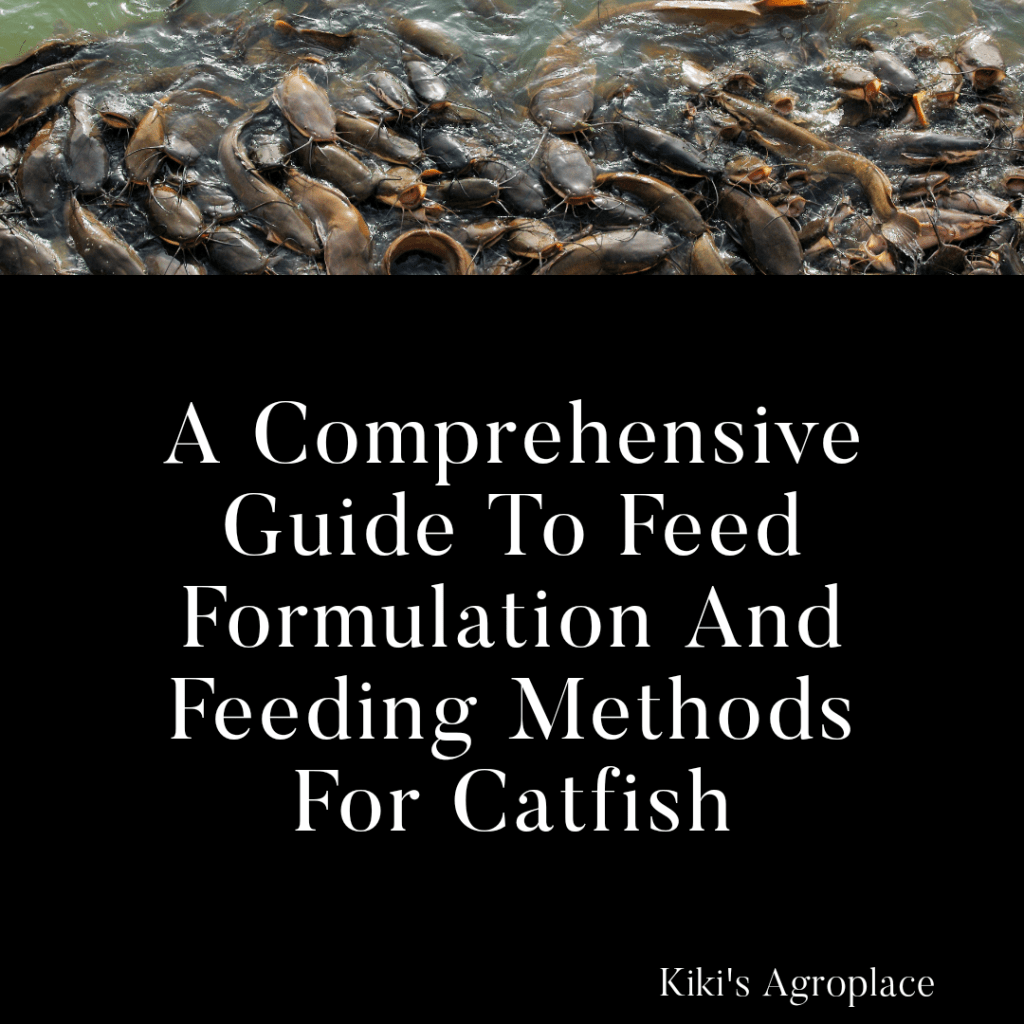
Catfish farming is a lucrative venture, but success hinges on effective feed formulation and proper feeding methods. Nutrition significantly impacts catfish growth, health, and overall productivity. This blog post will delve into the essentials of feed formulation and the various methods of feeding catfish to optimize their performance and ensure a profitable farming operation.
Understanding Catfish Nutritional Requirements
Catfish require a balanced diet to thrive, and their nutritional needs change as they grow. Here are the key nutrients essential for catfish:
1. Protein: Vital for growth and muscle development. Young catfish (fingerlings) need a higher protein content (35-45%), while adult catfish can do well with lower protein levels (28-32%).
2. Lipids (Fats): Provide energy and essential fatty acids. The fat content should be around 5-7% of the diet.
3. Carbohydrates: Serve as an energy source. Corn, wheat, and sorghum are common carbohydrate sources in catfish feed.
4. Vitamins and Minerals: Essential for metabolic processes, bone development, and overall health. A well-formulated feed includes necessary vitamins (A, D, E, K, and B-complex) and minerals (calcium, phosphorus, magnesium, potassium, and trace minerals).
Ingredients for Catfish Feed Formulation
How to start catfish farming
Formulating catfish feed involves selecting ingredients that meet nutritional requirements while being cost-effective. Common ingredients include:
1. Protein Sources:
– Fish Meal: High-quality protein source but can be expensive.
– Soybean Meal: Widely used plant-based protein with a good amino acid profile.
– Cottonseed Meal: An alternative plant protein source.
– Blood Meal: Rich in protein but should be used in moderation due to potential palatability issues.
Ultimate guide to catfish farming
2. Energy Sources:
– Corn: Provides carbohydrates and energy.
– Wheat: Another carbohydrate source, often used in pellet binding.
3. Fats:
– Sorghum: An alternative to corn and wheat.
– Fish Oil: Rich in essential fatty acids.
– Vegetable Oils: Can be used as an alternative to fish oil.
How to formulate livestock feed
4. Vitamins and Minerals:
– Premixes: Commercially available premixes ensure the diet is balanced with all necessary vitamins and minerals.
Formulating Catfish Feed
When formulating catfish feed, consider the following steps:
1. Determine Nutritional Requirements: Based on the growth stage of the catfish.
2. Select Ingredients: Choose high-quality, cost-effective ingredients that meet nutritional needs.
3. Calculate Proportions: Balance the ingredients to meet the protein, energy, vitamin, and mineral requirements.
4. Mixing: Ensure thorough mixing to achieve a homogenous feed.
5. Pelleting: Form the feed into pellets, which are easier for catfish to consume and reduce wastage.
Feeding Methods for Catfish
Effective feeding methods ensure that catfish receive the right amount of nutrients without overfeeding or underfeeding. Here are the common feeding methods:
1. Hand Feeding:
– Description: Involves manually dispersing feed into the pond.
– Advantages: Allows close monitoring of fish behavior and feed consumption.
– Disadvantages: Labor-intensive and less efficient for large-scale operations.
2. Automatic Feeders:
– Description: Mechanical devices that distribute feed at set intervals.
– Advantages: Consistent feeding schedule, labor-saving, and ideal for large ponds.
– Disadvantages: Initial cost and maintenance.
3. Demand Feeders:
– Description: Activated by the fish when they are hungry.
– Advantages: Reduces feed waste and ensures fish are fed according to their needs.
– Disadvantages: May not work well in ponds with high stocking densities.
4. Feeding Frequency and Amount:
– Young Catfish: Feed more frequently (3-4 times a day) with smaller amounts.
– Adult Catfish: Feed 1-2 times a day with larger amounts.
– Adjustments: Modify feeding rates based on water temperature, fish size, and feeding response.
Monitoring and Adjusting Feeding Practices
Effective feed management involves continuous monitoring and adjustments:
1. Observation: Regularly observe fish during feeding to assess their appetite and health.
2. Feed Conversion Ratio (FCR): Calculate FCR (weight of feed given/weight gain of fish) to evaluate feed efficiency. Aim for a lower FCR for better efficiency.
3. Water Quality: Maintain optimal water quality by avoiding overfeeding, which can lead to water pollution and health issues.
Conclusion
Proper feed formulation and feeding methods are crucial for the success of catfish farming. By understanding the nutritional requirements of catfish and implementing effective feeding practices, farmers can optimize growth, enhance fish health, and improve overall farm productivity. Stay informed about the latest developments in aquaculture nutrition and continually refine your feeding strategies for the best results.
Happy farming! 🐟🌱
– Kiki’s Agroplace Team
#CatfishFarming #Aquaculture #FeedFormulation #SustainableAgriculture #KikisAgroplace

 Kiki's Agroplace
Leave a comment