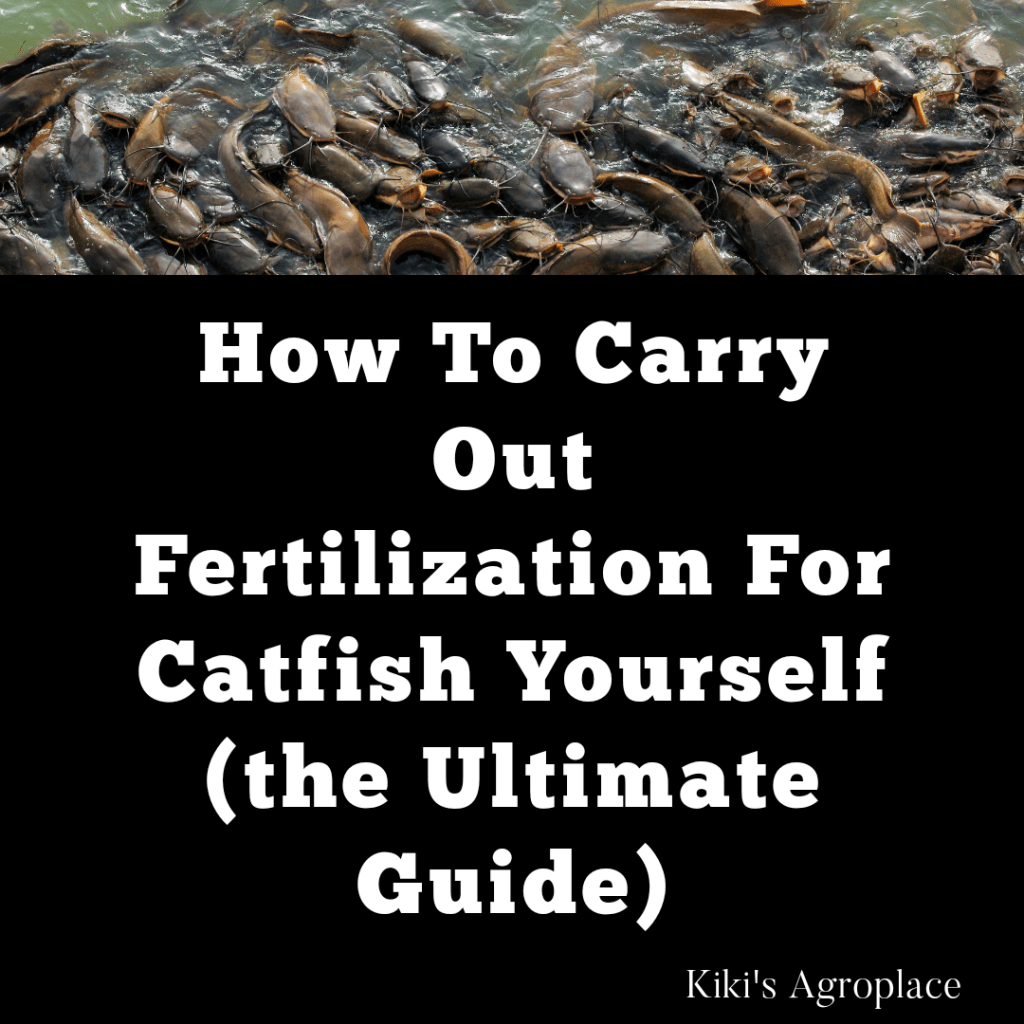
Catfish farming is a growing industry that provides a sustainable source of protein. Successful catfish farming involves understanding the breeding and fertilization process. Fertilizing catfish in a controlled environment ensures higher survival rates of the fry and improves overall productivity. Here’s a detailed guide on how to fertilize catfish in a controlled environment.
1. Understanding the Basics
Before diving into the fertilization process, it’s essential to understand the basic biology of catfish reproduction. Catfish are typically mature enough to breed at 2-3 years of age. They spawn during the warm months when water temperatures range from 75 to 85°F (24-29°C). The female catfish lay eggs, which the male fertilizes externally. The fertilized eggs then develop into larvae and eventually grow into fry.
2. Selecting Broodstock
Selecting healthy and mature broodstock is the first step in the controlled fertilization process. Here are some tips:
– Age and Size: Choose catfish that are at least 2-3 years old. They should be healthy, disease-free, and have a good body condition.
– Sex Identification: Identify the sex of the catfish. Males generally have a more elongated body and a pointed genital papilla, while females have a rounder body and a swollen genital papilla during the breeding season.
3. Preparing the Breeding Environment
Creating an optimal environment is crucial for successful breeding:
– Spawning Tanks: Use spawning tanks that are clean and have controlled water quality. The tanks should be large enough to accommodate the broodstock comfortably.
– Water Quality: Maintain water quality by ensuring appropriate pH levels (6.5-8.5), dissolved oxygen levels (above 5 mg/L), and ammonia levels (below 0.02 mg/L). Use filtration systems to keep the water clean.
– Temperature Control: Ensure that the water temperature is maintained between 75 to 85°F (24-29°C). Use heaters or coolers if necessary to regulate the temperature.
Catfish farming business manual
4. Inducing Spawning
In a controlled environment, you may need to induce spawning using hormonal treatments:
– Hormone Injection: Inject the female catfish with hormones such as human chorionic gonadotropin (HCG) or carp pituitary extract to stimulate ovulation. The dosage and timing should be determined by a veterinarian or aquaculture specialist.
– Male Preparation: Males usually do not require hormonal treatment but ensure they are healthy and ready to fertilize the eggs.
5. Egg Collection and Fertilization
Once the female releases the eggs, they need to be fertilized by the male:
– Manual Stripping: Gently strip the eggs from the female by applying light pressure on the abdomen. Collect the eggs in a clean, dry container.
– Sperm Collection: Collect sperm from the male by gently stripping it or using a catheter.
– Fertilization: Mix the collected eggs and sperm in a container. Add a small amount of clean water to activate the sperm and stir gently to ensure even fertilization.
Join us for more tips on livestock farming
6. Incubation
After fertilization, the eggs need to be incubated in a controlled environment:
– Incubation Tanks: Use specialized incubation tanks or trays with good water circulation to keep the eggs oxygenated and free from debris.
– Water Quality: Maintain optimal water quality parameters and temperature throughout the incubation period.
– Monitoring: Regularly monitor the eggs for any signs of fungal infection or other issues. Remove any dead or infected eggs promptly.
7. Hatching and Larval Care
Once the eggs hatch, the larvae need special care:
– Hatching Time: Catfish eggs typically hatch within 5-10 days, depending on the water temperature.
– Larval Tanks: Transfer the hatched larvae to larval rearing tanks with gentle water flow and optimal water quality.
– Feeding: Initially, the larvae will rely on their yolk sac for nutrition. Once the yolk sac is absorbed (usually within a few days), start feeding them high-quality, finely ground starter feed.
8. Grow-Out Phase
As the larvae grow into fry, they need to be transferred to grow-out tanks or ponds:
– Tank/Pond Preparation: Ensure the grow-out tanks or ponds are clean and have good water quality. They should provide ample space for the growing fry.
– Feeding Regimen: Implement a regular feeding schedule with nutritionally balanced feed to ensure healthy growth.
– Health Monitoring: Regularly monitor the fry for any signs of disease or stress. Maintain optimal water quality and implement biosecurity measures to prevent disease outbreaks.
9. Record Keeping
Keep detailed records of the entire process, including:
– Broodstock Information: Record the details of the broodstock, including age, size, health status, and any treatments administered.
– Spawning and Fertilization: Document the date of spawning, hormonal treatments, egg collection, fertilization details, and incubation conditions.
– Hatching and Growth: Track hatching rates, larval growth, feeding schedules, and any health issues observed.
The most comprehensive catfish farming business manual you can find
Conclusion
Fertilizing catfish in a controlled environment requires careful planning, precise execution, and diligent monitoring. By following these steps, you can increase the chances of successful breeding and improve the overall productivity of your catfish farming operation. With the right techniques and attention to detail, you can ensure a sustainable and profitable catfish farming business.

 Kiki's Agroplace
Leave a reply to For fish farmers: Find out if you have been feeding your fish correctly. – Kiki's Agroplace Cancel reply