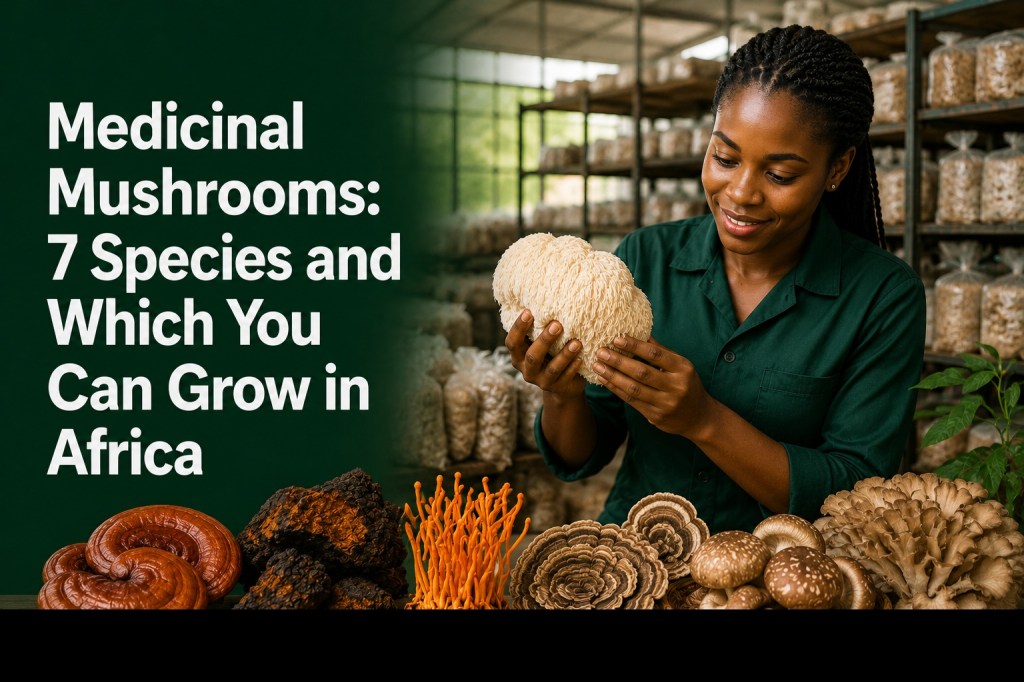
Medicinal mushrooms are one of the fastest-growing categories in global wellness, and interest is spreading into Africa’s supplement and nutraceutical markets. But most content on this topic is written for buyers in the US or Europe, not for people asking the question that matters most here: which of these mushrooms can you actually grow, and which ones need a climate you don’t have?
Why mushroom farming fails (mistakes to avoid)
This guide covers the seven medicinal mushrooms that show up again and again in research and market data: reishi, lion’s mane, chaga, cordyceps, turkey tail, shiitake, and maitake. For each one, you’ll get what it looks like, what it’s traditionally used for and what research actually supports, where it grows naturally, and the part most guides skip, if you can realistically grow it in a controlled environment in Africa.
Quick Reference: Can You Grow It in Africa?
| Mushroom | Natural climate | Grows in tropical/sub-tropical Africa? |
|---|---|---|
| Reishi | Warm, humid hardwood forests | Yes — no cooling needed |
| Turkey Tail | Hardwood forests worldwide | Yes — no cooling needed |
| Lion’s Mane | Temperate hardwood forests | Yes, with a cooling step (full guide linked below) |
| Shiitake | Temperate hardwood forests | Yes, with a cooling step (full guide linked below) |
| Cordyceps | Cool, stable 18-25°C | Only with air conditioning or a cool highland site |
| Maitake | Temperate oak forests | Difficult — needs a cold snap to fruit, unproven in tropical setups |
| Chaga | Cold northern birch forests | No — needs living birch trees and freezing winters |
1. Reishi (Ganoderma lucidum)
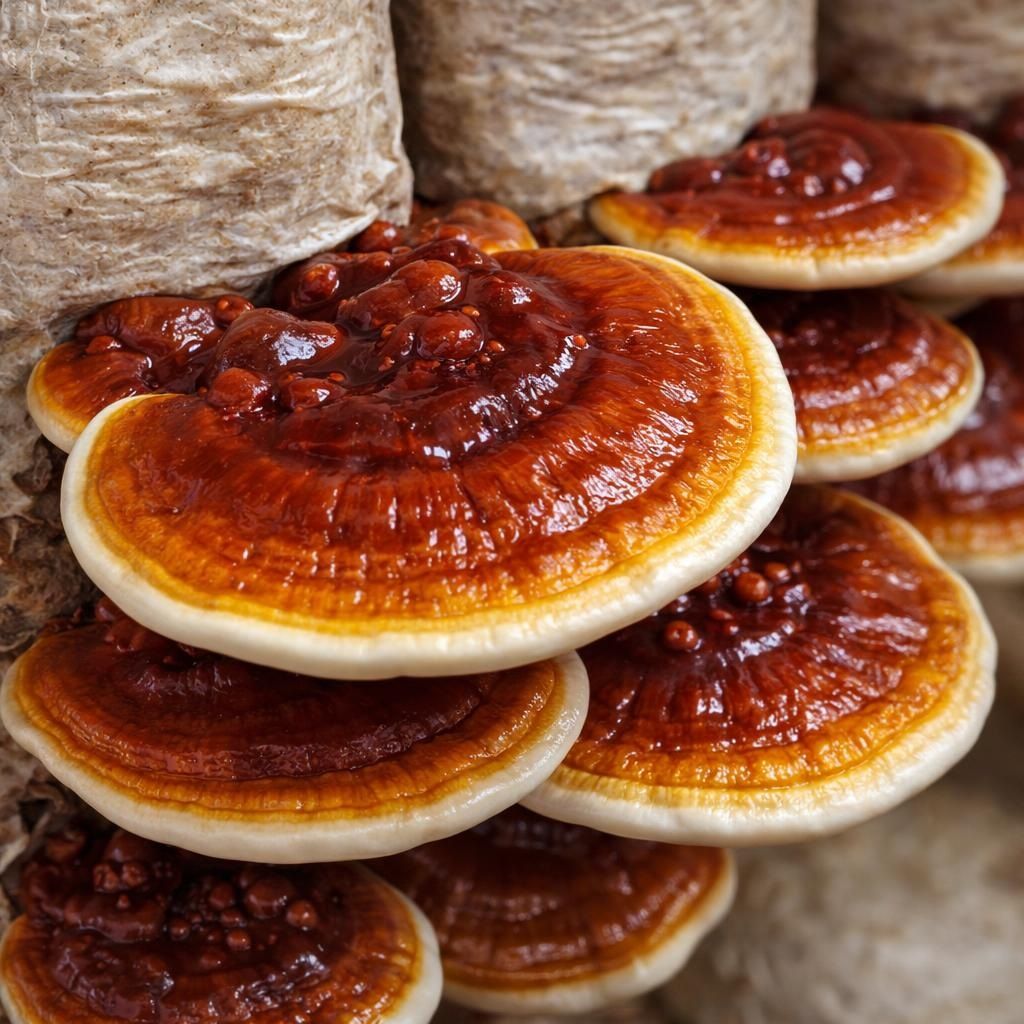
What it looks like: A glossy, kidney- or fan-shaped cap in shades of red-brown to dark red, with a woody, hard texture. It grows in a shelf shape out from the base of dying trees or stumps. Grown in low-oxygen conditions, it forms antler-like branches instead of a flat cap; some growers use this trick on purpose.
Traditional and researched uses: Used in Chinese medicine for over 2,000 years for calm and immune support. Modern research points to immune-modulating compounds (beta-glucans, triterpenes) and one clinical trial found a modest effect on fatigue in a specific condition (neurasthenia). It’s not a proven cure for any disease; treat it as a supported wellness ingredient, not medicine.
Where it’s found: Ganoderma species grow on decaying hardwood across warm and tropical regions worldwide, Africa included, though the strains sold commercially are mostly cultivated in Asia.
Can you grow it in Africa? Yes, and it’s one of your better options. Reishi fruits well at 25-30°C with high humidity; conditions most of tropical Africa already has, without extra cooling costs. It’s cultivated on sterilized sawdust bags or hardwood logs, colonizes in 2-4 weeks, but takes 3+ months to fruit fully. Slow, but low-input.
How to use mushrooms in livestock feed
2. Lion’s Mane (Hericium erinaceus)
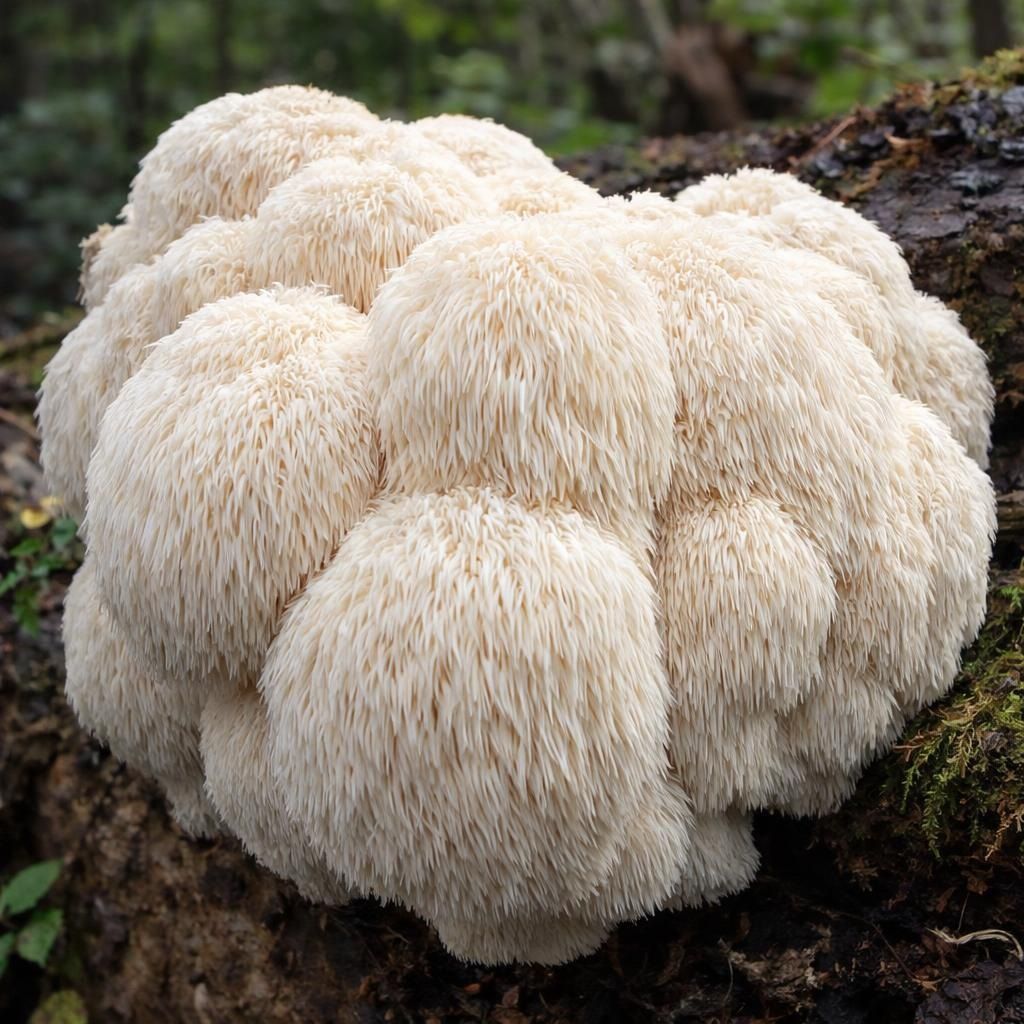
What it looks like: White, shaggy, and made of long cascading spines instead of a cap and gills; it looks more like a hanging pom-pom than a typical mushroom.
Traditional and researched uses: The most-studied medicinal mushroom for cognitive support. Its compounds (hericenones and erinacines) have shown nerve-growth-supporting effects in lab and small human studies.
Growing conditions, climate caveats, and market potential get a full breakdown in our dedicated lion’s mane cultivation guide.
3. Chaga (Inonotus obliquus)
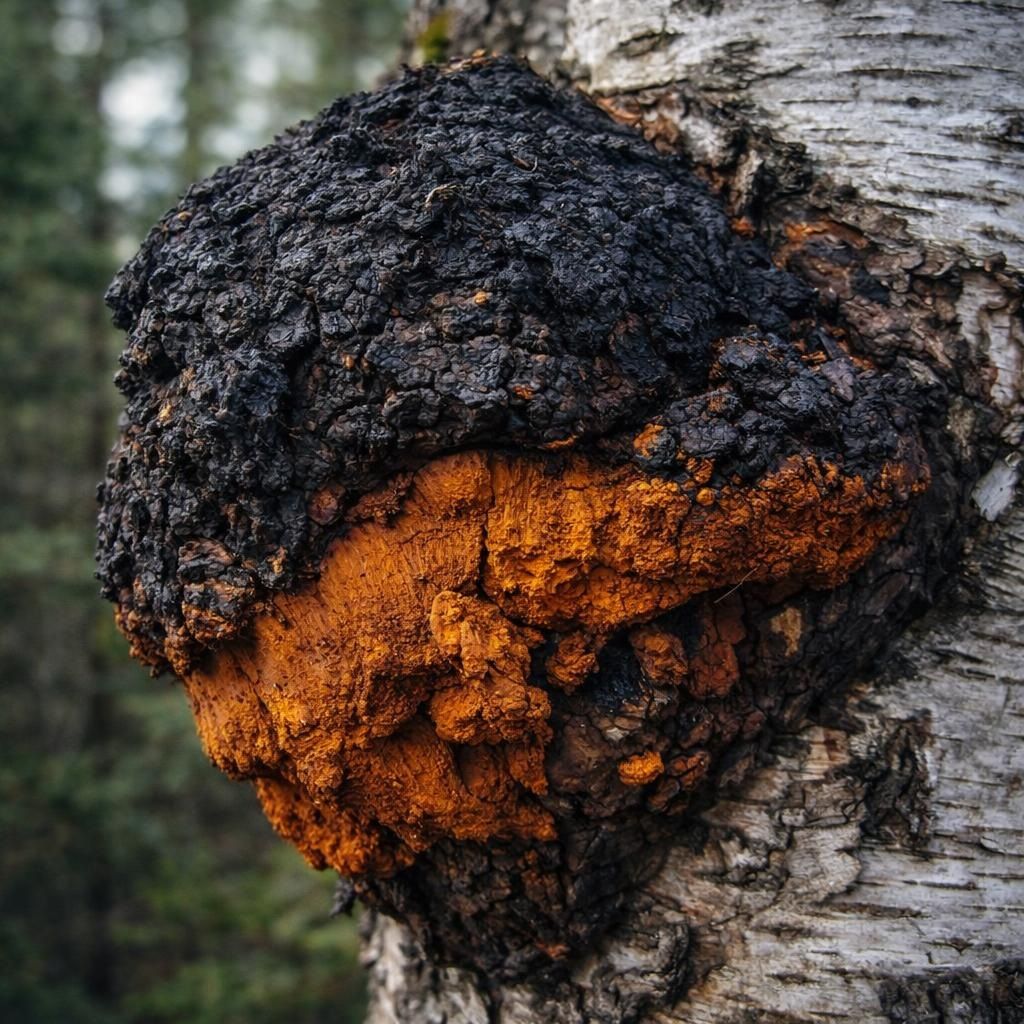
What it looks like: Not a typical mushroom at all. Chaga forms a hard, black, charcoal-like mass called a sclerotium on the outside of living birch trees. Cut it open and the inside is rusty-brown.
Traditional and researched uses: Known for a very high antioxidant load and used traditionally for immune and gut support. Research is still early-stage on humans.
Where it’s found: Cold northern forests only; Russia, Scandinavia, Canada, and the northern US, always on birch trees.
Can you grow it in Africa? No, and be direct with anyone who suggests otherwise. Chaga needs a living birch tree as a host and a hard, prolonged winter freeze to trigger the sclerotium. Neither exists in tropical or sub-tropical Africa. Lab-grown chaga mycelium is possible, but it’s chemically different from the wild conk and doesn’t satisfy buyers looking for real chaga, even specialist growers in cold countries call this a niche, low-yield process. Skip this one for cultivation. If there’s a market angle here at all, it’s importing and reselling, not growing.
4. Cordyceps (Cordyceps militaris)
What it looks like: Small, orange, club-shaped fruiting bodies growing straight out of a grain substrate. Worth knowing: this is a different species from wild Ophiocordyceps sinensis, the traditional Tibetan form that grows out of a parasitized insect larva. Almost everything sold commercially today is the cultivated grain-grown version, not the wild insect form.
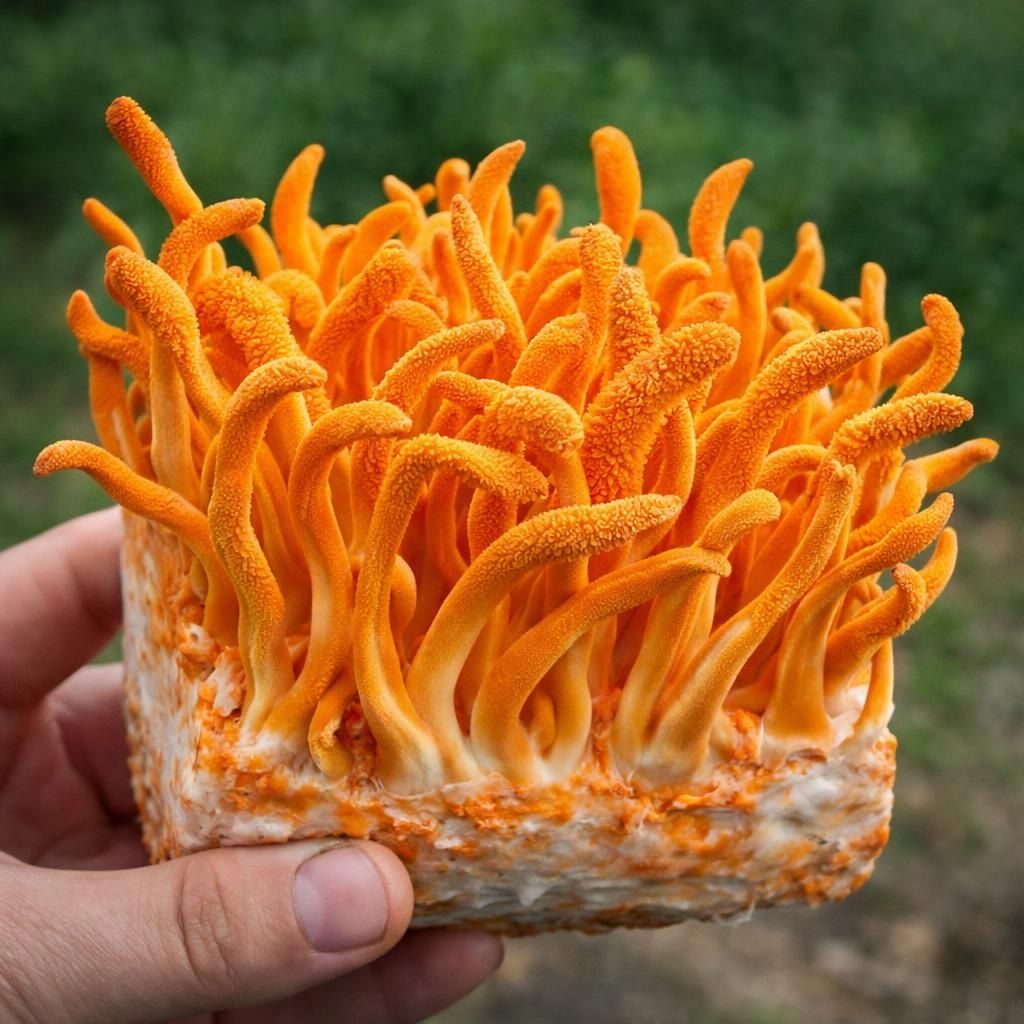
Traditional and researched uses: Traditionally used for energy and stamina, popular with athletes. Modern cultivation on rice or grain substrate has made it commercially accessible without needing insect hosts at all.
Can you grow it in Africa? Only with investment. Cordyceps militaris colonizes and fruits best between 18-25°C, and growth stalls completely above 30°C. In most of tropical Africa, that means air conditioning or a consistently cool highland location; not a free-climate crop like reishi. Factor cooling costs into any business case before committing.
How to identify a good or bad mushroom spawn
5. Turkey Tail (Trametes versicolor)
What it looks like: Thin, leathery, fan-shaped brackets growing in tiered clusters on dead logs and stumps, with concentric rings of brown, tan, blue, and white; the pattern that gives it its name.
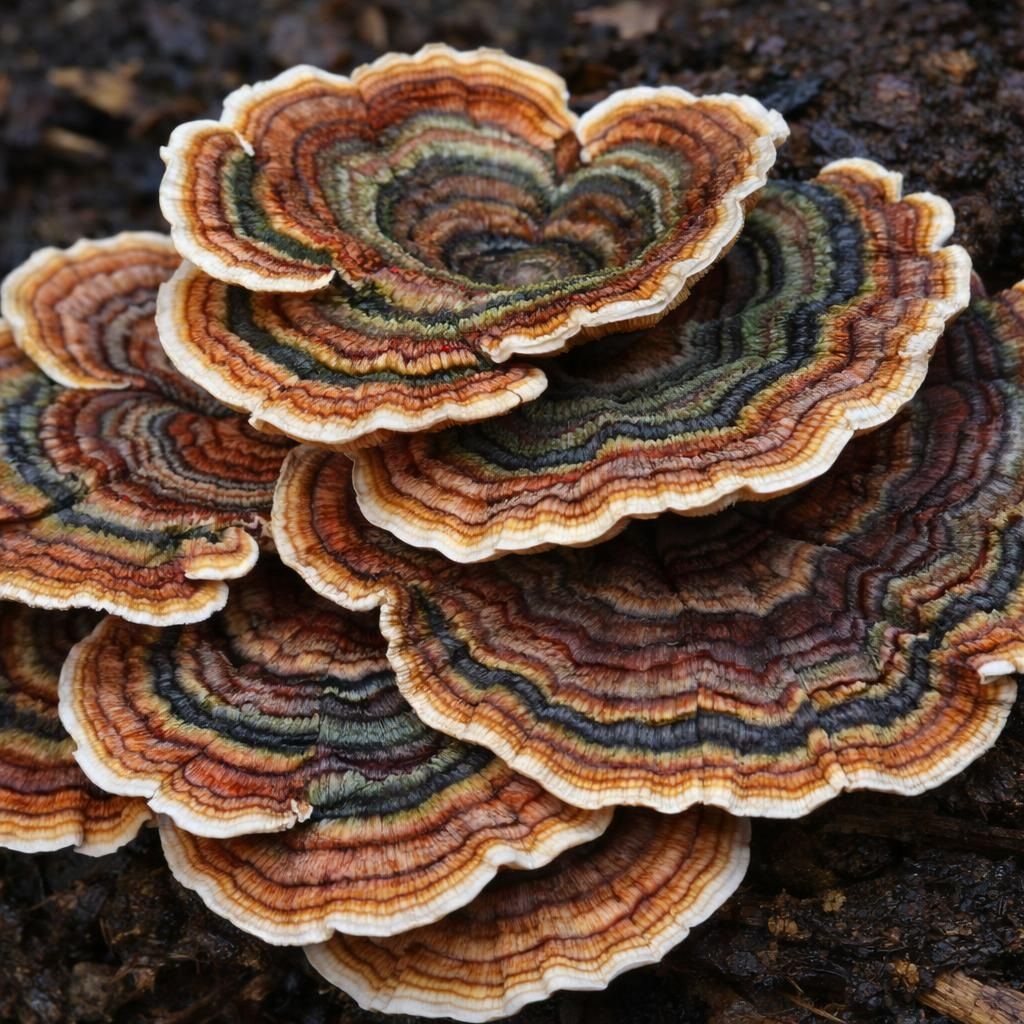
Traditional and researched uses: Of the seven mushrooms here, turkey tail has some of the strongest human clinical evidence, largely from its PSK extract. That extract is approved in Japan as an adjunct treatment alongside standard cancer therapy; it is not approved for that use in the US or most other countries, so don’t present it as a stand-alone treatment.
Can you grow it in Africa? Yes, and easily. Turkey tail grows on ordinary hardwood sawdust blocks or logs at normal room temperature; no special cooling, no complex setup. Along with reishi, it’s one of the more accessible medicinal species for African growers.
6. Shiitake (Lentinula edodes)
What it looks like: A familiar brown, umbrella-shaped cap with a firm stem, grown on hardwood logs or sawdust.
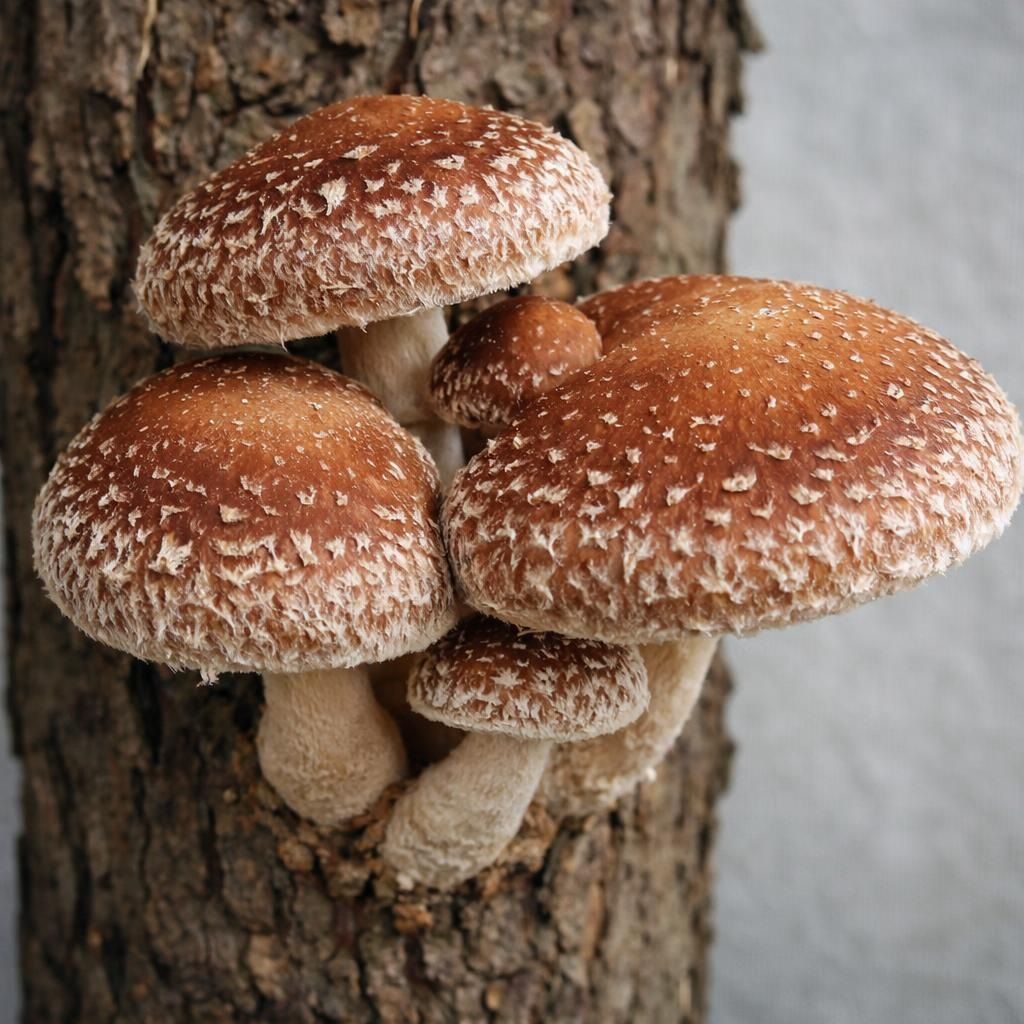
Traditional and researched uses: Widely eaten and used medicinally in East Asia; contains lentinan, a compound studied for immune support.
Like lion’s mane, shiitake needs a temperature drop to trigger fruiting. Full climate workarounds and a step-by-step growing guide are covered in our dedicated shiitake cultivation guide.
7. Maitake (Grifola frondosa)
What it looks like: Large, frilly, overlapping brown-grey fronds that grow in a single cluster at the base of oak trees; the name means “dancing mushroom” in Japanese, from how the clusters look.
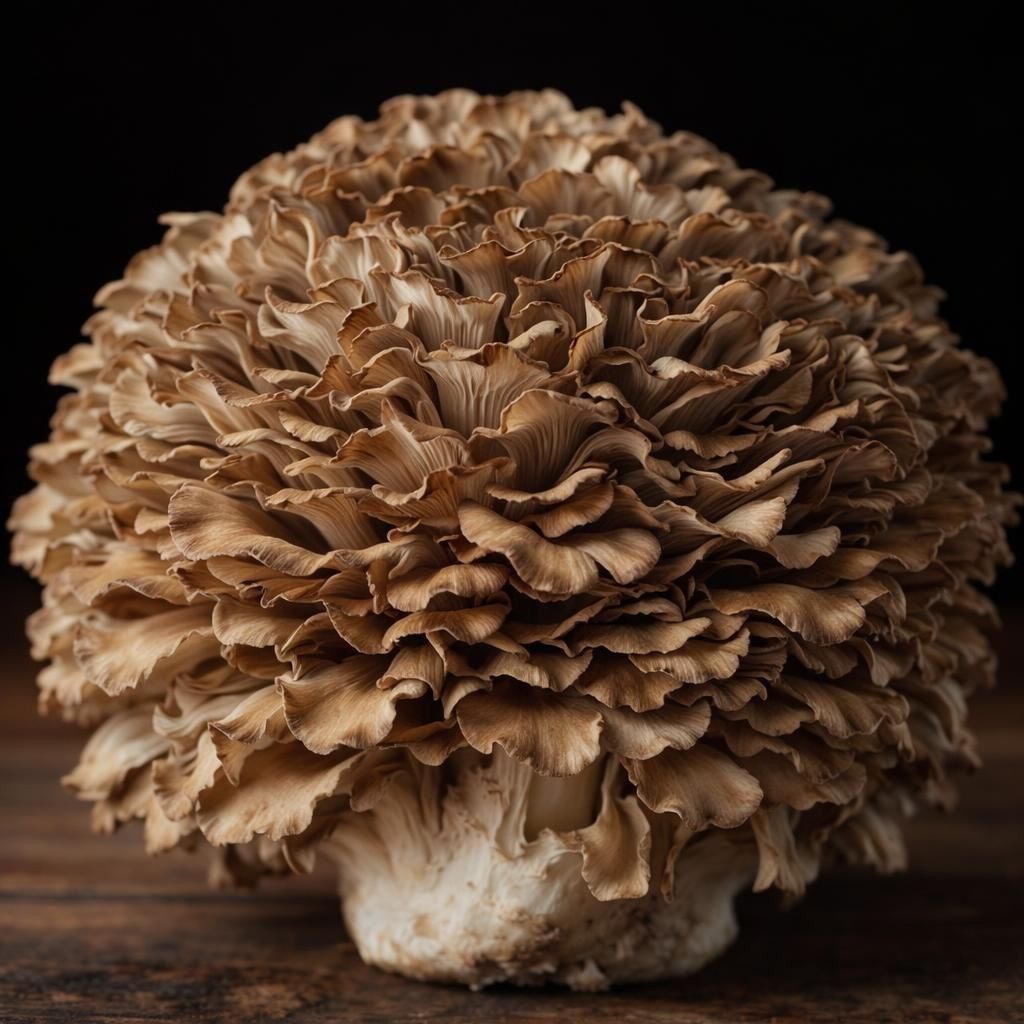
Traditional and researched uses: Used in Japanese cooking and medicine; studied for immune and metabolic effects.
Can you grow it in Africa? Difficult right now. Like cordyceps and shiitake, maitake needs a cold snap to fruit properly, and there’s little documented proof this works in tropical growing setups. Treat this as an emerging option to watch, not one to bet capital on yet.
What to Know Before You Buy or Sell Any of These
- Fruiting body vs. mycelium-on-grain: A lot of the global supplement market sells mycelium grown on grain, labeled simply as “mushroom.” It contains far less of the active compounds than a real fruiting-body extract. If you’re buying, selling, or exporting, know which one you’re dealing with; this matters even more once you’re pricing for export buyers.
- Drug interactions are real: Reishi, cordyceps, and turkey tail can all interact with blood-thinning medication, and most of these mushrooms can interact with immune-suppressing drugs. Anyone on medication should talk to a doctor before adding these to their diet.
- These are supplements, not cures: Every mushroom on this list has research behind it, but none of it amounts to a proven cure for a disease. Present it that way and you protect your credibility.
Global demand for these mushrooms is growing, and interest is starting to reach African markets too. See our medicinal mushroom market post for where the money actually is; supplement buyers, export markets, local demand, since that’s a different business question from growing them.
Key Takeaways
- Reishi and turkey tail are your easiest entry points; both grow well in tropical heat with no cooling investment.
- Lion’s mane and shiitake are viable, but need a cooling step; covered in their own dedicated guides.
- Cordyceps needs consistent cool temperatures (18-25°C), meaning real cooling costs in most of Africa.
- Maitake is unproven in tropical setups; worth watching, not worth betting on yet.
- Chaga cannot be grown in Africa. It needs living birch trees and freezing winters, full stop.
FAQ
Can I grow chaga mushrooms in Nigeria or elsewhere in Africa?
No. Chaga needs a living birch tree and a sustained hard freeze to form. Neither is available in tropical or sub-tropical Africa.
Which medicinal mushroom is easiest to start with in a tropical climate?
Reishi. It fruits well in normal tropical heat and humidity, with no cooling equipment needed.
Are medicinal mushrooms the same as the mushrooms I cook with?
Some overlap, shiitake and maitake are eaten and used medicinally. Others, like reishi and chaga, are too tough and bitter to cook and are used as extracts, powders, or teas instead.


Leave a Reply