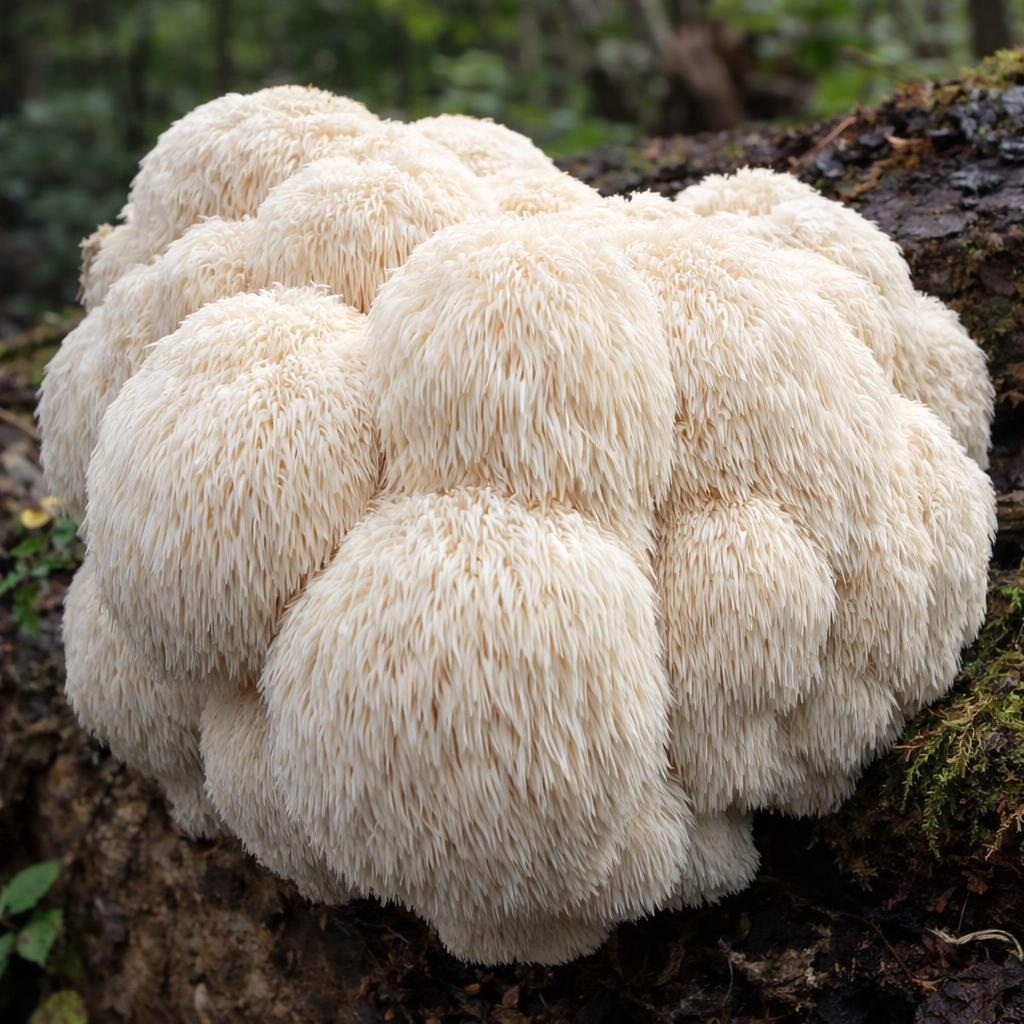
Lion’s mane has its own market story, separate from medicinal mushrooms as a category. It’s not just growing in the wellness aisle; it’s turning up on restaurant menus, and its two biggest buyer markets have a supply problem that African growers are positioned to help solve.
The Opening: Buyer Markets Are Overexposed to One Supplier
Industry analysis shows the US sources roughly 70-80% of its lion’s mane raw material and extract from China. Japan, despite having its own cultural history with the mushroom (it’s called yamabushitake there), shows the same pattern, importing the bulk of its supply from Chinese producers. Both markets openly flag this as a risk: one supplier, one country, one set of harvest cycles and trade-policy shifts, exposing every brand that depends on it.
How to trade across African borders.
Industry reports on this specific problem talk about diversifying toward domestic vertical farms, Canadian extraction partners, or Indian and Brazilian mycelium production. Notice what’s missing from that list: Africa isn’t mentioned as an option anywhere in current industry discussion. That’s not a rejection; it’s a blank slate. Nobody has pitched African supply into this conversation yet, which means there’s no competition there either.
It’s Not Just Supplements Anymore
Lion’s mane has crossed into food service. In the UK, industry tracking found lion’s mane now appears on the menus of several thousand restaurants, marketed as a meat and seafood substitute because of its texture. It’s also showing up in coffee blends, protein bars, and ready-to-drink beverages; the “daily wellness” format, aimed at people who’d never buy a supplement capsule but will try a mushroom coffee.
This matters for African growers because it means two separate buyer types exist, not one: wellness/supplement buyers who want dried fruiting bodies or extracts, and food-service buyers who want fresh mushrooms with a specific texture and flavour. They have completely different quality requirements and completely different sales pitches.
How to use mushrooms in livestock feed.
What It Actually Takes to Sell Into This Market
- Fruiting body, clearly labeled as such. Buyers increasingly distinguish this from mycelium-grown product, and pay a premium for the real thing.
- Lab verification. Japanese importers specifically test for heavy metals, pesticide residue, and beta-glucan content before accepting shipments. This isn’t optional paperwork; it’s how buyers screen out unverified suppliers.
- Organic certification commands a real premium, reported as high as 40-60% over non-certified product in some markets.
- Cold chain, if selling fresh. Fresh lion’s mane needs refrigeration around 5°C to hold its quality; a real logistics commitment if you’re not just selling dried product.
None of this is impossible for a serious small or mid-size grower, but skipping any one of these is usually why a first approach to an international buyer goes nowhere.
Export documentation basics for agricultural products.
The Domestic Angle: Chefs, Not Just Supplement Brands
You don’t need an export deal to use this trend. Lion’s mane’s meat-substitute appeal is exactly the kind of story that works with African chefs building plant-forward or health-conscious menus; a distinctive, photogenic ingredient with a genuine flavour reason to use it, not just a health claim. That’s a different pitch than selling generic mushrooms to hotel kitchens: it’s about a specific ingredient with a specific story, aimed at chefs who want something their competitors don’t have.
Cold chain logistics for perishable products
Key Takeaways
- The US and Japan; lion’s mane’s two biggest markets, are both structurally dependent on Chinese supply and are actively looking to diversify.
- Africa isn’t currently part of that diversification conversation at all; a real opening, but one nobody hands you. You have to make the pitch.
- Two distinct buyer types exist: wellness/supplement buyers and food-service buyers. Know which one you’re approaching.
- Lab verification, organic certification, and clear fruiting-body labeling are the entry price for serious buyers, not optional extras.
- Domestically, the meat-substitute angle gives you a genuine pitch to chefs, separate from the wellness-supplement story.
FAQ
Is there really an opening for African lion’s mane exporters?
There’s a real supply-diversification conversation happening in the US and Japan, and Africa currently isn’t part of it. That’s an opportunity, but it means building credibility from zero rather than joining an existing pipeline.
Do I need organic certification to sell lion’s mane internationally?
Not always, but it commands a real price premium in some markets, and many serious buyers treat it as a baseline trust signal.
Should I sell fresh or dried lion’s mane?
Depends on your buyer. Food-service buyers usually want fresh, which means investing in cold chain. Supplement and extract buyers typically want dried fruiting bodies, which travel and store far more easily.


Leave a Reply