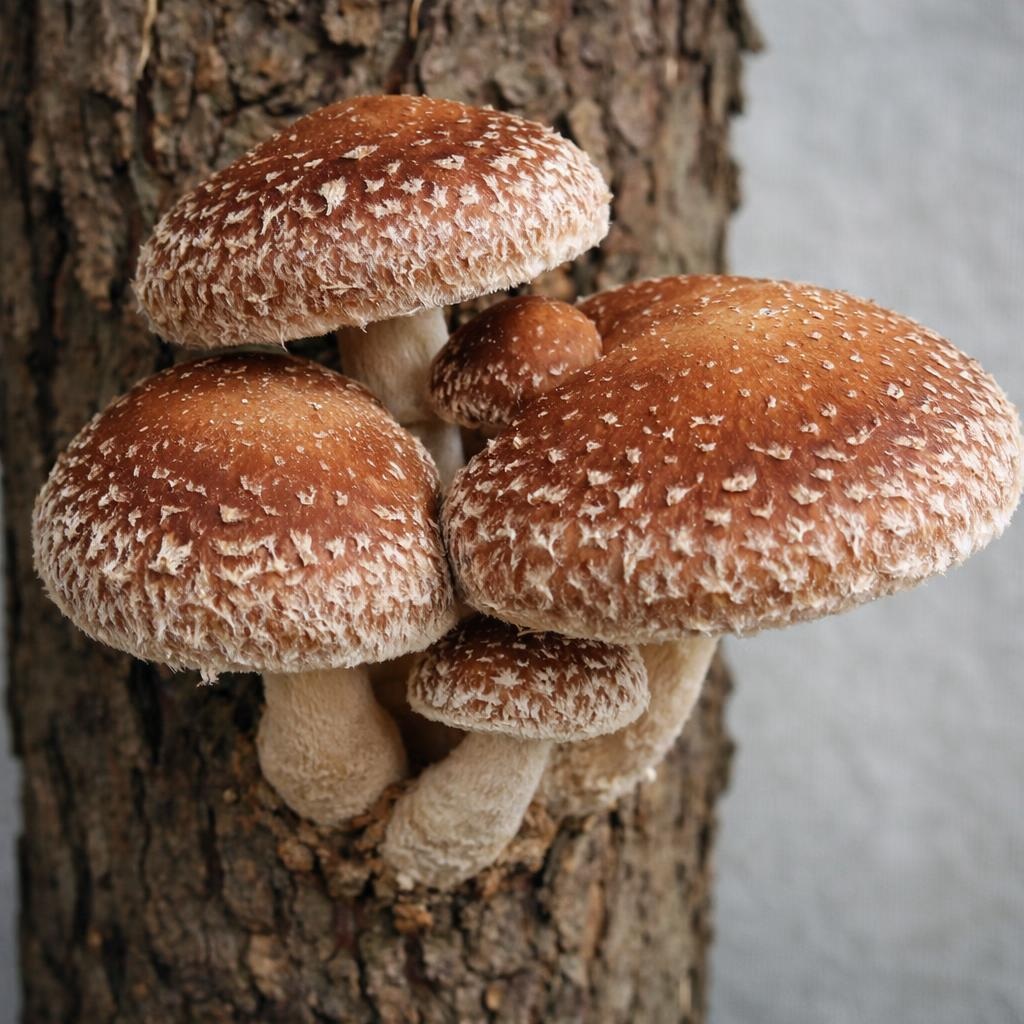
Shiitake’s market story looks nothing like lion’s mane’s. This isn’t primarily a supplement or nootropic play; most of the world’s shiitake demand is food and grocery demand. And several African countries are already buying it from abroad to cover a gap in their own markets.
The Opening: You’re Already Being Imported To
Kenya is a clear example. National industry estimates put local mushroom production at around 500 tonnes a year, against demand of roughly 1,200 tonnes, meaning Kenya imports somewhere around 700 tonnes annually just to meet its own market. Separate industry estimates put imported mushrooms at close to 40% of the total mushroom market in both Kenya and Nigeria, largely from Chinese and European suppliers. These are industry estimates, not audited figures, so treat the exact numbers as directional, but the pattern is consistent and hard to miss: demand already exists, and it’s currently being met from outside the continent.
That changes the whole framing. You don’t need to break into a foreign export market to find shiitake buyers; you may already have buyers in your own country currently paying a premium for imported product.
How to trade across African borders.
Who’s Actually Buying, and Why It’s Different From Lion’s Mane
- Restaurants and hotels — reported as actively seeking out shiitake and other specialty mushrooms for gourmet menus in East African food service.
- Supermarkets and health-food retailers — stocking fresh and packaged mushrooms for convenience-focused, health-conscious shoppers.
- A smaller supplement/extract segment — real, and growing faster than the food segment globally, but still the minority use case for shiitake worldwide. Food and beverage use accounts for the large majority of shiitake demand, the opposite of lion’s mane, where wellness and nootropic use leads.
Practically, this means your sales pitch for shiitake should lead with chefs and grocery buyers, not supplement brands.
Export documentation basics for agricultural products.
What It Sells For
| Market | Fresh shiitake wholesale (approx.) |
|---|---|
| United States | ~$14/kg |
| Japan | ~$8/kg |
| South Korea / Thailand | ~$4-4.50/kg |
| China | ~$1.70/kg |
Treat these as a rough guide, not a quote; prices move constantly with supply and season. Shiitake consistently sells at a real premium over Button mushrooms and Oyster mushrooms globally, reported at roughly 1.5-2 times the price. Don’t price it like a commodity mushroom; position it as the specialty item it is.
The Competitive Reality
China supplies an estimated 70-75% of the world’s raw shiitake, and its top export destinations are Vietnam, the US, and Malaysia; together accounting for the large majority of Chinese shiitake exports. Trying to out-compete that trade flow head-on, as a new grower, is a hard fight. Import substitution in your own country’s market is the more realistic first move: you’re not displacing an established Chinese-to-Vietnam trade route, you’re competing against a shipping cost and a middleman markup on product landing in your own backyard.
Kenya has already proven this is achievable from African soil; the country exported over 100 tonnes of mushrooms in 2023. That’s a real, existing track record to point to, not a hypothetical.
Cold chain logistics for perishable exports.
What Setup Actually Costs
One industry estimate puts a medium-sized commercial mushroom farm setup at $20,000-$50,000. Treat that as a ceiling, not a starting point; our shiitake cultivation guide covers a lower-cost log-based entry method that doesn’t require that level of investment upfront. Scale up once you have buyers lined up, not before.
Key Takeaways
- Several African countries already import shiitake to cover their own demand gap. Check your own country’s market before looking abroad.
- The main buyers are restaurants, hotels, and grocery retailers, not supplement companies. Pitch accordingly.
- Shiitake sells at a real premium over commodity mushrooms; price and market it as a specialty product.
- Competing directly against Chinese export volume into established markets is a hard fight. Import substitution at home is the easier win.
- Start with a lower-cost setup (like log cultivation) and scale once you have confirmed buyers, rather than over-investing upfront.
FAQ
Should I focus on export or my domestic market first?
Domestic, in most cases. Several African markets already import a large share of their mushrooms, which means local demand may already exist without needing an international buyer.
Is shiitake worth growing compared to oyster mushrooms?
It sells for more per kilogram, but it’s slower to grow and pickier about conditions. If you’re new to mushroom farming, oyster is the easier starting point; shiitake is a strong second product once you have experience.
Who should I approach first as a buyer?
Restaurants and hotel kitchens looking for specialty ingredients, and grocery or health-food retailers currently stocking imported shiitake. Supplement companies are a smaller, secondary market for this species.
Kiki’s Agroplace: Bridging the knowledge gap in agriculture.


Leave a Reply